Statement Pieces That Define the Energy of a Room
A room speaks before you do. Color, shape, and scale send signals the moment you walk in. One bold choice can shift the mood fast. That is where statement pieces come in. They anchor attention and set the emotional tone. You do not need many items to make an impact. One strong element often does the work of five smaller ones. Think of a sculptural chair, a dramatic light, or an oversized artwork. These choices help your space feel intentional. They also reflect your personality without clutter. When chosen well, they guide how the rest of the room feels and flows. This guide shows you how to choose the right pieces to complement your home design wisely.
Why Statement Pieces Change Everything
A single focal item gives your room direction. It creates hierarchy so the eye knows where to land. Without a focal point, spaces feel scattered. A strong anchor brings calm and clarity. That matters in living rooms, bedrooms, and even hallways. The right scale is key. Too small feels timid. Too large overwhelms. Measure your space first. Then choose a piece that fills it with confidence. Texture and color matter too. Smooth finishes feel sleek. Rough surfaces feel grounded. Decide on the emotion you want. Cozy, energetic, or serene. Let that goal guide your pick. Once placed, build around it with restraint.
Choose One Star, Not a Crowd
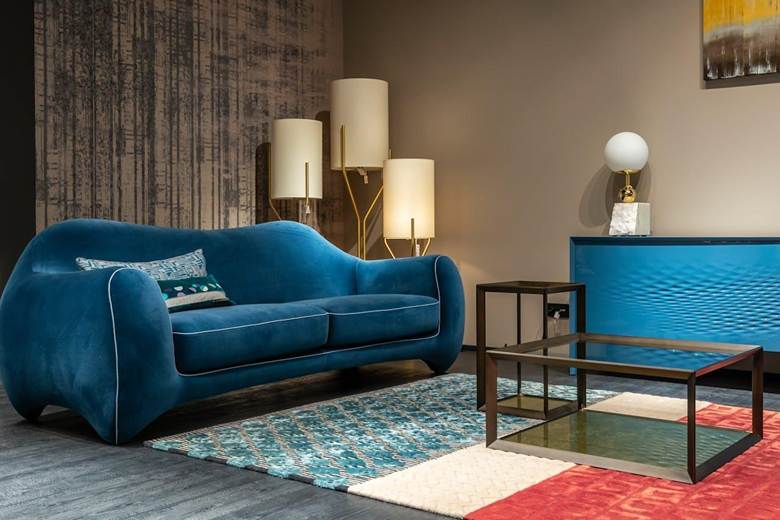
Rooms feel strongest with one clear hero. Too many bold items compete and create noise. Choose a single star and support it with quieter pieces. For example, pair a dramatic sofa with simple side tables. Or frame a large artwork with neutral walls. This balance helps the room breathe. It also makes your bold choice feel deliberate. When editing, ask one question. Does this support the main feature? If not, remove it. Negative space matters. It gives the eye rest and elevates impact. Remember, bold does not mean busy.
Use Color and Texture With Intention
Color can energize or soothe. Texture adds depth and warmth. When you mix both, do it with purpose. A glossy table pops against matte walls. A woven rug softens sharp lines. Many designers focus on the secrets to harmonizing colors and textures in your home decor to keep rooms cohesive. Warm tones feel inviting. Cool shades feel calm and open. Choose one main color and support it with softer tones. Repeat tones in small ways to create rhythm. Avoid matching everything. Contrast creates interest. Still, keep it controlled. If your focal item is colorful, let the surrounding pieces stay calm. That keeps attention where you want it.
Placement Shapes the Feeling
Where you place your focal item matters as much as what it is. Centering often works in formal rooms. Off-center feels relaxed and modern. Consider sightlines from doorways and seating. Your focal item should greet you, not hide. Height matters too. Hang art at eye level. Let the lighting highlight the star. Avoid blocking paths or windows. Good placement supports flow. It makes rooms feel larger and more welcoming. Walk the space after placing the item. Notice how your body moves. Adjust until it feels easy and natural.
Refreshing Rooms
Room updates often take place during a move, and that’s when small missteps can quickly add up. Begin by identifying the piece that defines the space, whether it’s a sofa, bed, or statement cabinet. Secure or pack that item first to protect it and preserve the look you want to maintain. Next, remove smaller decor, lamps, and accessories to reduce clutter and prevent damage. As you work through the process, it helps to break the job down into clear stages so every area feels organized rather than overwhelming.
Before you begin a room-by-room packing plan, snap a few quick photos of each finished space. These reference images make it easier to recreate layouts later without second-guessing where everything belongs. Pair that with clear labels on boxes to speed up unpacking and keep items where they should go. With a focused approach and intentional editing, your rooms stay cohesive, protected, and far less stressful during any transition.

Scale and Proportion Keep Balance
Scale mistakes weaken impact. A tiny rug under a large sofa looks lost. A massive lamp on a small table feels heavy. Measure before buying. Use painter’s tape to mock size on floors or walls. This simple step saves regret. Proportion also matters within groups. Keep heights varied but related. That creates visual harmony. When in doubt, go slightly larger. Undersized items rarely impress. A balanced scale makes your bold choice feel confident and grounded.
Let Lighting Amplify the Mood
Lighting can turn a good piece into a great one. Use light to draw focus and set tone. Warm bulbs create comfort. Cooler light feels crisp. Aim the lights toward your focal item. Consider a dimmer for flexibility. Shadows add drama when controlled. Avoid glare that distracts—layer light sources for depth. A mix of ambient and accent lighting works best. This approach lets your room adapt to different moments without losing its core identity.
Comfort Still Matters
Bold does not mean uncomfortable. Rooms must live well. Choose materials that invite use. A sculptural chair should still support you. A dramatic rug should feel good underfoot—balance style with ease. Soft elements help. Pillows, throws, and curtains add approachability. Many homes succeed by layering textiles for comfort and style in your new living space while keeping one bold anchor. This mix creates rooms that look great and feel welcoming.
Let the Room Speak
Use statement pieces to guide decisions, not complicate them. When unsure, return to your anchor. Ask if a new item supports it. This filter simplifies choices and keeps cohesion. Rooms thrive when they have a clear voice. One thoughtful choice can define the whole experience. Choose with care—place with purpose. When you do, your rooms feel confident, welcoming, and complete.
Photos used:
https://www.pexels.com/photo/colors-palette-5933/
https://www.pexels.com/photo/color-shade-samples-276267/
https://www.pexels.com/photo/woman-looking-at-paintings-displayed-on-the-wall-2721507
https://www.pexels.com/photo/an-interior-of-a-living-room-5998030/